Coffee is a big part of many people's daily routines. It's that warm hug in a cup that jumpstarts your morning and helps you power through the day. For countless folks, that first sip is pure magic, turning sleepy eyes into bright ones and boosting motivation. It’s not just a drink; it’s a little ritual that sets the tone for the day.
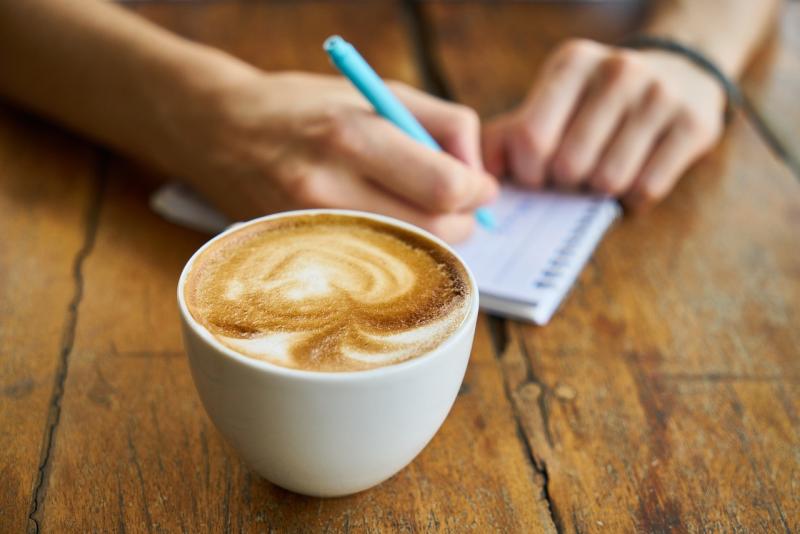
Think about those cozy café moments. Meeting friends or enjoying a quiet moment alone, coffee brings people together. Whether you’re grabbing a latte to go or savoring a rich espresso while chatting, it’s a social connector. It's those little shared moments over a cup that makes life feel good.
Caffeine also plays a key role in many workplaces. It keeps energy levels up and brains firing on all cylinders. Coffee breaks offer a much-needed pause from the hustle and bustle. They help recharge, spark creativity, and even lighten the mood during busy days.
Plus, coffee culture has evolved into something special. From trendy coffee shops specializing in unique brews to DIY coffee recipes at home, it's all about exploring flavors and finding your perfect match. It’s more than just a drink; it's an experience, a hobby, and a passion for many.
The Birth of Coffee Culture
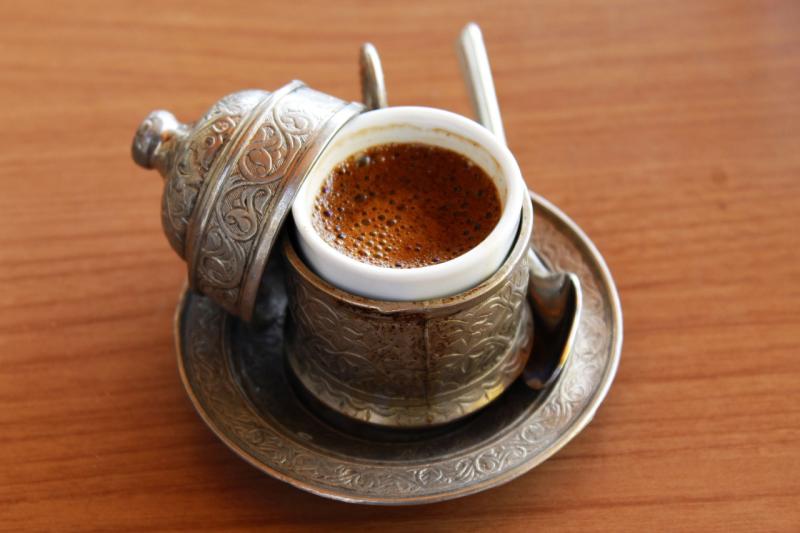
Coffee culture has been brewing for centuries, and its origins are pretty fascinating! It all started back in the 15th century in Yemen, where the first coffee beans were roasted and brewed. People began to enjoy coffee for its rich flavor and energizing effects. Before long, it spread to other parts of the Middle East, like Persia and Turkey, where coffeehouses became popular hangout spots. These were the places to be—friends would gather, exchange ideas, and enjoy lively conversations over steaming cups of coffee.
By the 17th century, coffee made its way to Europe. Coffeehouses popped up in cities like London, Paris, and Vienna. These spots quickly became cultural hubs—people would read, debate politics, and even conduct business meetings. It’s pretty wild to think that a simple cup of coffee played such a big role in shaping social interactions!
In Italy, coffee culture took on a whole new vibe with the invention of the espresso machine in the early 1900s. Suddenly, the world had a new favorite drink. Espresso bars became all the rage, and coffee became a part of everyday life. This innovation didn’t just change how people drank coffee; it transformed the way they experienced it, bringing in a sense of style and connection.
As coffee continued to spread globally, different countries put their own spin on it. From Italy’s strong espresso to Sweden’s fika—those lovely coffee breaks filled with sweet treats—coffee culture became a beautiful blend of flavors and traditions. Each place added its unique twist, making coffee not just a drink, but an experience that brings people together.
Economic Impact of Coffee Trade
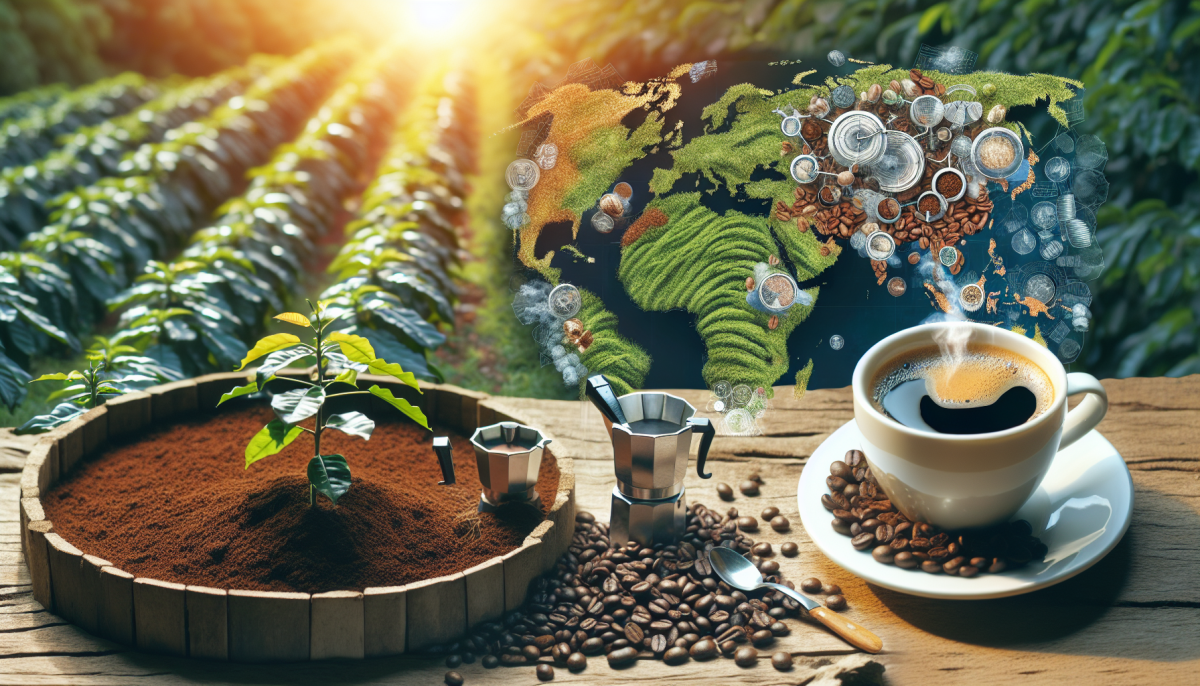
Coffee isn’t just a morning pick-me-up; it’s a powerhouse of an industry with a huge economic footprint. From Brazil to Vietnam, millions of people depend on coffee for their livelihoods. Think about that the next time you sip your favorite brew—you're a part of something big!
In many coffee-producing countries, this little bean is a major source of income. It creates jobs on farms, in processing plants, and even at cafés around the globe. Small farmers often grow coffee on family-owned plots, and they rely on fair trade practices to get better prices for their hard work. These efforts can raise communities out of poverty and promote economic stability.
Since coffee is one of the most traded commodities in the world, its impact stretches far and wide. Global demand for coffee is skyrocketing, leading to new markets and opportunities. Local economies benefit from exports, while importing countries see coffee shops popping up everywhere, creating jobs in retail and distribution.
Plus, the coffee trade pushes innovation and sustainability. As farmers face challenges like climate change, they’re finding smarter ways to grow coffee. New methods not only improve crop yield but also help the environment. When you choose sustainably sourced coffee, you’re supporting these efforts and making a positive change.
Coffee's Influence on Art and Literature
Coffee has been part of the creative scene for centuries, fueling the minds of artists and writers. Imagine the lively discussions in coffeehouses back in the day, where great thinkers gathered to exchange ideas over a warm cup. These spots became breeding grounds for innovation and creativity, sparking the flames of art and literature.
Take the beatniks of the 1950s, for example. Places like the famous Café Wha? in New York City were buzzing with energy, filled with writers and poets typing away on typewriters while sipping strong brews. Coffee didn’t just help them stay awake; it ignited their passion and pushed them to spill their thoughts onto the page. Writers like Jack Kerouac found their rhythm fueled by those caffeine-infused conversations.
But it’s not just modern artists who felt coffee’s influence. Think about the greats like Voltaire and Balzac. They consumed coffee by the pot, claiming it boosted their productivity. It wasn’t just a drink; it was a ritual that shaped their creative processes. The aroma alone seemed to inspire words and ideas that changed the course of literature.
Even in visual arts, coffee made its mark. Artists like Vincent van Gogh captured the essence of café culture in their work. The pop of colors and lively scenes representing these coffeehouses showed how deeply intertwined caffeine and creativity were. Coffee was more than just a drink; it was a muse bringing life to canvases and pages alike.